
Pakistan is facing increasing electricity challenges. Frequent power outages, rising electricity prices, and unstable grid supply have pushed homeowners to look for smarter energy solutions.
One of the most reliable solutions today is a solar battery storage system.
Solar panels generate electricity during the day, but without a battery system, excess energy is wasted or sent back to the grid. A solar battery stores that energy, allowing you to use it at night or during power outages.
In this guide, we will explain everything you need to know about choosing the best solar battery for homes in Pakistan in 2026.
Why Solar Batteries Are Becoming Popular in Pakistan
Over the past few years, electricity tariffs in Pakistan have increased significantly. Many households now pay extremely high electricity bills.
Solar energy has become a popular solution, but solar panels alone cannot solve the problem completely. This is where energy storage batteries become essential.
Benefits of solar batteries:
• Backup during load shedding
• Reduced electricity bills
• Maximum solar energy utilization
• Energy independence
• Protection from rising electricity tariffs
Modern lithium batteries can power your home even when the grid fails.
Types of Solar Batteries Available in Pakistan
There are two main types of batteries used in solar systems.
1. Lead Acid Batteries
Lead-acid batteries are the traditional option and have been used for many years.
Advantages:
• Lower initial cost
• Easily available
• Simple technology
Disadvantages:
• Short lifespan
• Heavy weight
• Slow charging
• Low efficiency
• Requires maintenance
Because of these limitations, lead-acid batteries are slowly becoming outdated.
2. Lithium Batteries (Most Advanced Option)
Lithium batteries are now considered the best energy storage solution for solar systems.
Advantages:
• Long lifespan (10–15 years)
• Fast charging
• Lightweight design
• High efficiency
• Deep discharge capability
• Maintenance-free operation
Many modern homes in Pakistan now prefer lithium battery energy storage systems.
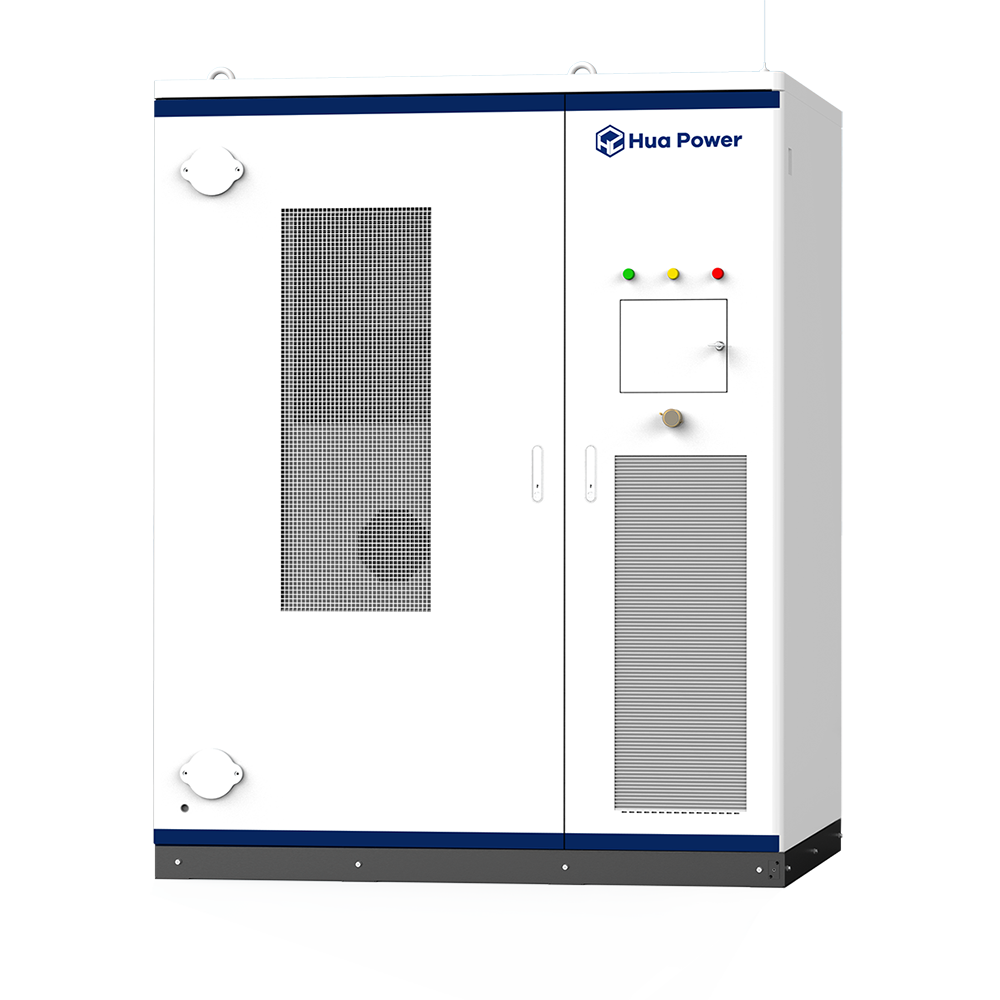
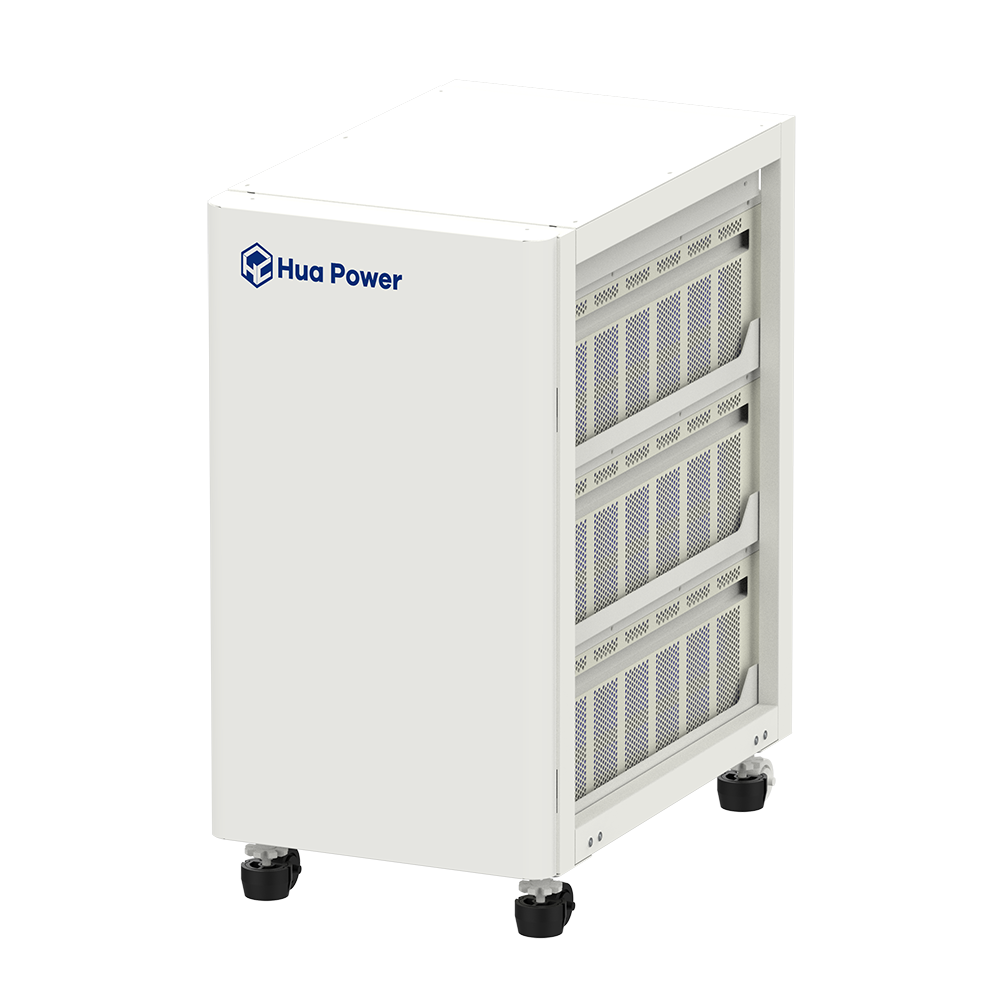
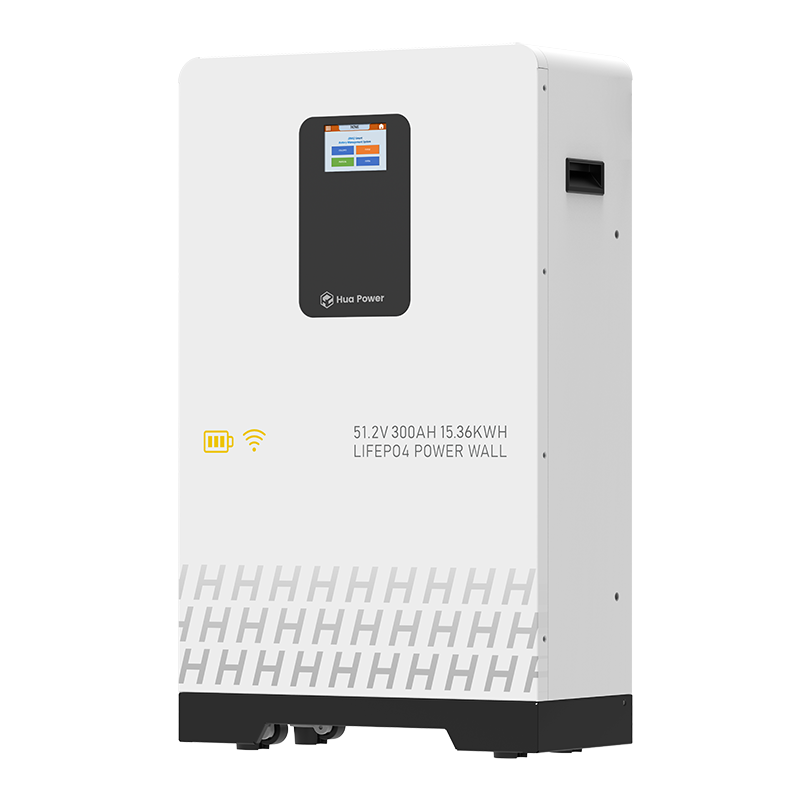
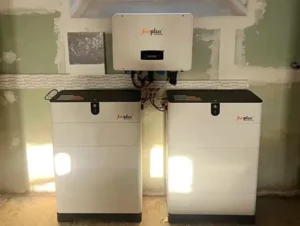
Products like the Hua Power lithium battery systems are designed specifically for solar and home energy storage.
How Much Battery Capacity Does a Home Need?
The required battery size depends on:
• house size
• electricity consumption
• appliances usage
• backup duration
Typical battery sizes for homes in Pakistan:
| House Size | Recommended Battery |
|---|---|
| 5 Marla | 5kWh battery |
| 10 Marla | 10kWh battery |
| 1 Kanal | 15kWh – 20kWh |
| Large homes | 30kWh+ |
For example, a 5kWh lithium battery can easily power:
• fans
• lights
• refrigerator
• WiFi
• TV
during a power outage.
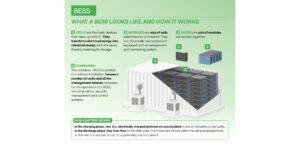
What Is a BESS System?
A Battery Energy Storage System (BESS) is an advanced setup that stores electricity generated by solar panels.
A complete BESS system includes:
• lithium battery pack
• battery management system (BMS)
• inverter
• monitoring software
This system intelligently manages energy storage and usage.
During the day:
Solar panels power the house and charge the battery.
During the night:
The battery supplies electricity to the home.
If the grid fails, the battery automatically provides backup power.
Key Features to Look for in a Solar Battery
Before buying a solar battery, consider these important factors.
1. Battery Capacity (kWh)
Battery capacity determines how much energy it can store.
Higher capacity means longer backup time.
2. Battery Life Cycle
Good lithium batteries offer 6000+ charge cycles.
This means the battery can last 10–15 years.
3. Safety Protection
A high-quality battery should include:
• over-charge protection
• short circuit protection
• temperature protection
• intelligent BMS system
4. Expandability
Modern batteries allow multiple units to be connected together.
This means you can increase storage capacity as your energy needs grow.
Why Lithium Batteries Are Better Than UPS Batteries
Many homes in Pakistan still rely on UPS systems.
However, lithium solar batteries offer major advantages.
| Feature | UPS Battery | Lithium Solar Battery |
|---|---|---|
| Lifespan | 2–3 years | 10–15 years |
| Charging speed | Slow | Fast |
| Efficiency | Low | High |
| Maintenance | Required | Maintenance-free |
| Weight | Very heavy | Lightweight |
Because of these benefits, many homeowners are switching to lithium battery energy storage systems.
Ideal Solar Battery for Pakistani Homes
For most homes, a 5kWh to 10kWh lithium battery system is the perfect starting point.
These systems can support:
• fans
• lights
• refrigerator
• washing machine
• LED TV
• internet devices
When combined with solar panels, these batteries can significantly reduce dependence on the grid.
Future of Energy Storage in Pakistan
Energy storage technology is rapidly growing worldwide.
Pakistan is also moving towards:
• renewable energy
• solar power systems
• smart energy storage solutions
Battery energy storage systems will play a major role in the future of electricity management.
As solar adoption continues to grow, lithium battery systems will become a standard feature in modern homes.
Frequently Asked Questions
How long does a lithium solar battery last?
A good lithium battery typically lasts 10 to 15 years depending on usage and charging cycles.
Can a solar battery run a whole house?
Yes. With a large enough battery system (15kWh–30kWh), it is possible to power an entire house.
Are lithium batteries safe?
Yes. Modern lithium batteries include advanced Battery Management Systems (BMS) that protect against overheating, overcharging, and short circuits.
What is the best solar battery capacity for a home?
For most homes in Pakistan:
• 5kWh – small homes
• 10kWh – medium homes
• 15kWh+ – large homes
Conclusion
Solar batteries are becoming an essential part of modern energy systems in Pakistan.
With rising electricity prices and frequent load shedding, investing in a reliable solar battery storage system can provide energy security, cost savings, and long-term benefits.
Lithium battery technology offers the best combination of efficiency, durability, and performance, making it the ideal choice for residential solar systems.
As solar adoption continues to expand across Pakistan, energy storage solutions will play a key role in creating a more sustainable and reliable energy future.